


Mixing Xanax and marijuana is a growing form of polysubstance use that carries serious health risks. Both substances depress the central nervous system, and their combined effects amplify sedation, cognitive impairment, and the danger of respiratory depression. Short term risks include loss of coordination, memory blackouts, and paradoxical anxiety or panic. Long term consequences include increased risk of addiction, memory loss, mental health decline, and strain on the heart and lungs. Safer alternatives for managing anxiety include non addictive medications, cognitive behavioral therapy, and holistic approaches. Professional treatment offers the safest path to recovery.
The modern world is a whirlwind of stress, anxiety, and challenges, leading many people to turn to substances for relief. Among the most common are prescription medications like Xanax (alprazolam) for anxiety and panic disorders, and marijuana, which has seen widespread use both recreationally and medicinally. While these substances may offer short-term relief, the health risks of combining Xanax with marijuana use can be serious. It is important to understand the dangers of mixing Xanax and marijuana, how they affect the body, and why it’s crucial to seek professional treatment or a New Jersey rehab program if you’re struggling with substance misuse.
What Is Xanax and Why Is It Prescribed?
Xanax, known by its generic name alprazolam, is a medication classified as a benzodiazepine, a class of drugs that acts as a central nervous system (CNS) depressant. This means that it works by slowing down brain activity and producing calming effects. Xanax is one of the most widely prescribed medications in the United States, primarily used to treat anxiety disorders, including generalized anxiety disorder (GAD), panic attacks, and other conditions that involve intense, excessive feelings of fear or worry.
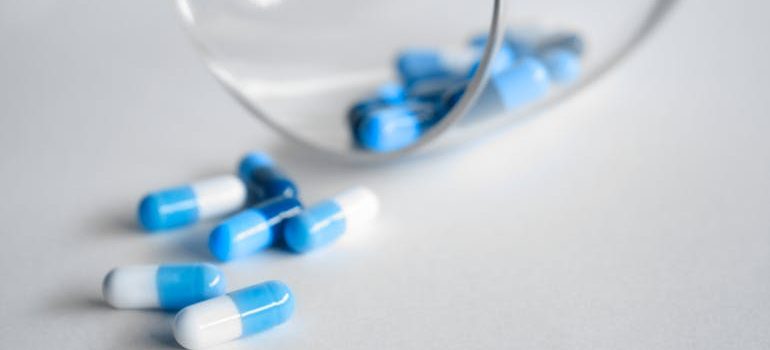
Doctors typically prescribe Xanax for short-term use because it is highly effective in providing quick relief from anxiety and panic. However, it is not intended for long-term use due to its potential for dependence and the risk of developing a tolerance, needing Xanax addiction treatment in NJ.
Over time, people may need higher doses to achieve the same calming effects, which increases the risk of misuse and addiction.
For people who experience severe, debilitating anxiety or panic attacks, Xanax can provide relief when other treatments, such as cognitive behavioral therapy (CBT) or antidepressant medications, have not been sufficient. However, because of its sedative properties, Xanax can be dangerous if misused, particularly when combined with other substances, as it can cause profound sedation, memory loss, and even respiratory depression.
Why Xanax is Prescribed:
- Generalized Anxiety Disorder (GAD)
- Panic Disorder
- Insomnia (in some cases)
- Acute Stress
Despite its effectiveness, the use of Xanax must be carefully monitored by healthcare providers due to the risk of abuse and dependency. People who take Xanax for extended periods may develop tolerance and experience withdrawal symptoms when they attempt to stop using it. This is one of the primary reasons why doctors recommend non-addictive alternatives, such as SSRIs (selective serotonin reuptake inhibitors), for long-term anxiety management. If you or your loved one develops an addiction, prescription drug addiction treatment program NJ professionals are available for consultation.
The Widespread Use of Marijuana
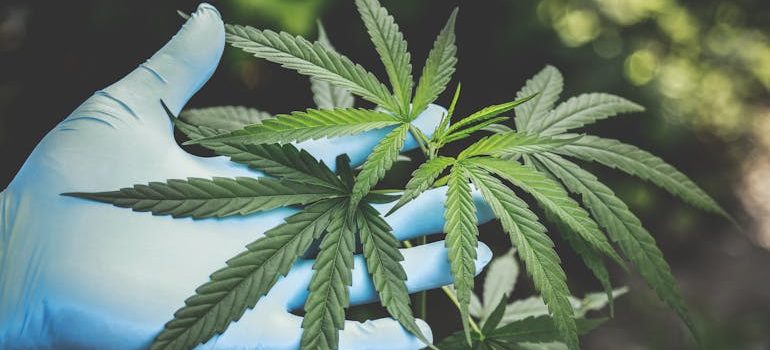
Marijuana, also known as cannabis, is a psychoactive drug derived from the Cannabis plant. Over the past few decades, marijuana has become one of the most widely used substances, both recreationally and medicinally. It is legally available in many parts of the world, including various U.S. states, where it is regulated for both medical and recreational use. According to the National Institute on Drug Abuse (NIDA), marijuana is the most commonly used illicit drug in the U.S., with over 48 million people reporting using it at least once in the past year.
The increasing prevalence of marijuana use can be attributed to several factors, including growing acceptance of cannabis in society, the legalization of medical marijuana in many states, and a greater understanding of its potential therapeutic benefits. Marijuana is often consumed through smoking, vaping, or edibles, and it contains various compounds, most notably tetrahydrocannabinol (THC) and cannabidiol (CBD). THC is the main psychoactive ingredient responsible for the “high” or altered state of consciousness, while CBD is not psychoactive and has gained attention for its potential health benefits.
Medicinal Use of Marijuana
In recent years, marijuana has been increasingly prescribed for a variety of medical conditions, particularly in states where medical cannabis is legal. The medicinal use of marijuana primarily involves the therapeutic benefits of CBD and sometimes THC, depending on the condition being treated. Medical marijuana is used to manage conditions like:
- Chronic Pain
- Anxiety and Depression
- Nausea and Vomiting (related to chemotherapy)
- Seizures and Epilepsy
- Sleep Disorders
Despite the medicinal benefits, marijuana is not without its risks. While some patients experience relief from their conditions, others may face negative side effects such as impaired memory, increased anxiety, paranoia, or addiction, resulting in drug rehab New Jersey programs.
Recreational Use of Marijuana
The recreational use of marijuana has become increasingly common, particularly as more states and countries legalize it for personal use. Many people use marijuana for its psychoactive effects, including euphoria, altered perception of time, and relaxation. This recreational use of marijuana often involves smoking or vaping the dried cannabis flower or consuming cannabis-infused products like edibles or tinctures.
The growing acceptance of marijuana use has led to a shift in public perception. Marijuana is often seen as less harmful than other substances like alcohol or tobacco. However, this perception can be misleading, as marijuana can have significant effects on mental health, cognitive function, and overall well-being. For example:
- Memory and Learning Impairment
- Mental Health Risks
- Addiction
Health Risks of Combining Xanax with Marijuana Use and The Interaction Between Them
While marijuana is often used to alleviate anxiety or stress, combining it with Xanax poses serious health risks. The combined effects can lead to extreme sedation, cognitive impairment, respiratory depression, and increased risk of overdose.
It’s essential for individuals who are prescribed Xanax to understand the risks of using marijuana, especially if they are struggling with anxiety, depression, or other mental health disorders. Professional treatment, rather than self-medicating with substances like marijuana and Xanax, is the safest and most effective approach to managing mental health.

How Xanax and Marijuana Work in the Body
To understand the dangers of combining Xanax and marijuana, it’s helpful first to explore how each substance works individually in the body.
Xanax:
Xanax belongs to the benzodiazepine class of medications, which are central nervous system depressants. These medications work by enhancing the effects of a neurotransmitter called GABA (gamma-aminobutyric acid), which helps calm the brain’s activity. In doing so, Xanax can relieve anxiety and induce feelings of relaxation. However, this calming effect comes at a cost. When used in excess or combined with other depressants, Xanax can slow the body’s systems too much, leading to dangerous side effects like slowed heart rate, shallow breathing, and extreme sedation.
Marijuana:
Marijuana, on the other hand, is a psychoactive substance that primarily affects the brain’s endocannabinoid system. It alters mood, perception, and cognitive function, often inducing feelings of euphoria, relaxation, or altered consciousness. While marijuana is less likely to cause direct physical harm than substances like alcohol or opioids, its effects can be unpredictable, especially when combined with other depressants like Xanax.
Combined Effects of Xanax and Marijuana:
When taken together, Xanax and marijuana both act as depressants on the central nervous system, but in different ways. The combined use can amplify each other’s effects, leading to intense sedation, cognitive impairment, and dangerous consequences like respiratory depression (slowed or shallow breathing). This is particularly concerning in high doses, where the health risks of combining Xanax with marijuana use can become life-threatening.
Fake Xanax and Counterfeit Pill Risk
One of the biggest and most underreported dangers in 2026 is the growing presence of counterfeit Xanax pills. Many of these fake pills contain fentanyl instead of alprazolam, and they have caused a wave of overdose deaths across the United States, including in New Jersey. When someone takes a counterfeit pill and combines it with marijuana, the risk of respiratory depression and fatal overdose skyrockets.
Counterfeit pills often look nearly identical to real Xanax. They may have the same shape, color, and imprint markings, which makes them impossible to identify by sight alone. Many are sold on social media, through informal contacts, or purchased from someone other than a licensed pharmacy. Even a single counterfeit pill can be fatal, especially for someone with no opioid tolerance.
Why this matters when marijuana is involved
- Marijuana can mask early overdose signs. A user who smokes or vapes after taking what they think is Xanax may feel relaxed rather than alarmed when breathing slows.
- The combined depressant effect amplifies risk. Both fentanyl and marijuana slow the central nervous system. Together they can suppress breathing enough to cause death.
- Delayed reactions are common. Someone may take a counterfeit pill, smoke marijuana, and not realize anything is wrong until they lose consciousness.
To reduce risk:
- Only take Xanax that comes from a licensed pharmacy with a valid prescription. Never accept pills from friends, social contacts, or online sources.
- Assume any pill obtained outside a pharmacy contains fentanyl. This is now the standard advice from the DEA and public health experts.
- Keep naloxone (Narcan) on hand. It is available without a prescription at NJ pharmacies and can reverse a fentanyl overdose. Anyone in a household with someone using unregulated pills should have it available.
- Fentanyl test strips. Decriminalized in NJ, these strips can detect fentanyl contamination before a pill is taken.
For anyone struggling with Xanax dependence, working with a professional treatment program is far safer than continuing to source pills from unreliable channels. A dual diagnosis program can address both the underlying anxiety driving the use and the substance dependence itself, without the life threatening risk of counterfeit pills.
Immediate Risks of Mixing Xanax and Marijuana
When you combine Xanax with marijuana, the immediate risks can be severe. These substances, in tandem, can significantly affect your ability to function normally and put your health at serious risk.
- Excessive Sedation: Both Xanax and marijuana have sedating effects, but when used together, they can cause extreme drowsiness and fatigue. You might find it hard to stay awake or alert, increasing the likelihood of accidents, falls, or dangerous situations.
- Cognitive Impairment: Cognitive functions like memory, attention, and decision-making may be significantly impaired. This can lead to poor judgment, confusion, and difficulty concentrating, which can make everyday activities like driving or working hazardous.
- Loss of Coordination: Both substances can impair motor skills, making it difficult to coordinate simple tasks like walking or moving. This lack of coordination can lead to accidents, including falls, injuries, or car crashes.
- Respiratory Depression: A particularly dangerous side effect of combining Xanax and marijuana is the potential for respiratory depression. Both substances slow down the brain’s signaling, which can lead to dangerously slow or shallow breathing. In extreme cases, this could result in respiratory failure, which can be fatal.
- Heightened Anxiety or Panic Attacks: Interestingly, combining Xanax and marijuana can also trigger paradoxical effects. Instead of feeling relaxed, some users report heightened anxiety or panic attacks. This reaction can worsen the very symptoms that the person was trying to alleviate with the substances in the first place.
Long-Term Health Risks
If the use of Xanax and marijuana continues over time, the long-term consequences can become even more concerning.
- Increased Risk of Substance Use Disorder: Using Xanax and marijuana together increases the likelihood of developing a substance use disorder. Dependence on either substance can grow over time, leading to the need for higher doses to achieve the same effects. This can set the stage for misuse, addiction, and other serious health problems.
- Strain on the Heart and Lungs: For those who smoke marijuana, the combination with Xanax can put additional strain on the heart and lungs. Smoking marijuana can irritate the respiratory system, and when paired with the sedative effects of Xanax, this can lead to reduced oxygen intake and stress on the cardiovascular system.
- Memory Loss and Cognitive Decline: Chronic use of Xanax, especially in combination with marijuana, can lead to long-term memory impairment and cognitive decline. This can affect learning, decision-making, and day-to-day functioning. The risk of dementia and other mental disorders can increase, particularly in individuals who start using these substances at a young age.
- Mental Health Issues: While Xanax is meant to treat anxiety, combining it with marijuana can exacerbate mental health problems. The risk of depression, anxiety, and paranoia may increase over time, leading to a vicious cycle where the person continues to self-medicate to cope with worsening symptoms.
- Drug Interaction Complications: When combining Xanax with marijuana, there is also the risk of drug interactions. For individuals on other medications, this combination can interfere with the effectiveness of different treatments, especially those used to manage chronic conditions.
Signs of Dependence or Misuse
It’s important to recognize the signs of substance misuse or dependence when combining Xanax with marijuana. These include:
- Using Xanax or marijuana outside of the prescribed or intended use.
- Needing higher doses to achieve the same effect.
- Experiencing withdrawal symptoms when not using.
- Difficulty with daily functioning, such as at school, work, or in relationships.
If you or someone you know is struggling with these signs, it’s essential to seek help from a professional treatment center.
Safer Alternatives for Managing Anxiety
For those seeking relief from anxiety, there are safer, non-addictive options available.
1. Non-addictive Medications:
Antidepressants are often used to manage anxiety and panic disorders without the risk of dependence associated with Xanax. However, medication like Suboxone can sometimes cause addiction as well, and going off it requires a Suboxone treatment NJ program with medical professionals.
2. Cognitive Behavioral Therapy (CBT):
CBT is a well-established, evidence-based therapy that helps individuals identify and challenge the thought patterns contributing to anxiety. Through CBT, people can develop healthier coping strategies without the need for medications. Through it, you can also apply for an Intensive Outpatient Program (IOP) NJ treatment, to allow you flexibility with school or work.
3. Holistic Approaches:
Meditation, mindfulness, yoga, and exercise can also provide significant relief from anxiety. Engaging in regular physical activity or mindfulness practices can help reduce stress and promote mental clarity.

When to Seek Help
If mixing Xanax and marijuana has led to dangerous consequences or if you’re struggling with substance dependence, it’s time to reach out for professional help. Treatment centers offer compassionate care and safe, medically supervised detox programs like New Jersey medication assisted treatment.
Medical Insurance Coverage
By seeking help, you can access a range of services designed to address the root causes of substance misuse, including counseling, therapy, and medication-assisted treatment (MAT). If you’re wondering, “Does Blue Cross Blue Shield cover drug rehab?”, then the answer is yes, and Bright Futures Treatment Center NJ can help guide you through the process of getting the coverage you need.
Recovery is Possible
The health risks of combining Xanax with marijuana use can be life-threatening. These substances, when mixed, amplify each other’s depressant effects, leading to sedation, cognitive impairment, and respiratory issues. It’s critical to avoid self-medication and seek professional help if you or a loved one is struggling with substance misuse. If you need assistance, consider reaching out to a rehab center or a prescription drug addiction treatment program. Your health is worth investing in, and professional care is the safest route to lasting recovery.
Frequently asked questions
Is it dangerous to smoke marijuana while taking Xanax?

Yes. Both substances depress the central nervous system, and combining them amplifies sedation, impairs coordination, and can slow breathing to dangerous levels. Even users who feel fine can experience delayed effects that lead to accidents or medical emergencies.
Can mixing Xanax and marijuana cause an overdose?
Yes. While marijuana alone rarely causes overdose, combining it with Xanax can suppress breathing enough to be life threatening, especially at high doses or when mixed with alcohol or opioids.
Why does mixing them sometimes cause more anxiety, not less?
This is called a paradoxical reaction. Instead of calming anxiety, the combination can trigger panic attacks, paranoia, or heightened anxiety in some users. This is particularly common with high THC products.
Can I become addicted to both Xanax and marijuana?
Yes. Using both substances regularly increases the risk of developing dependence on either or both. Polysubstance use disorder often requires integrated treatment.
Contact Us
"*" indicates required fields
 Get Started